
the things that stabilize
when the ground under us moves, best reach for what is core and essential.

In 2021 I found myself in the wholly unexpected position of leading an internal change management engine inside a global multinational tech company. The organization I worked with (like a department, but more like a business inside a business) had been through a series of re-organizations (aka ‘re-org’ in corporate lingo) in quick succession, and were still reeling. The leader I was advising had inherited a disparate collection of teams, SMEs (subject matter experts), operators, strategists, and leaders. Some of whom had significant tenure, others more recently hired before the change. I quickly came to see that when people are moved around into new teams, bosses, partners and collaborators—occasionally with new remits than their initial job descriptions—people get destabilized. And when people are destabilized, its hard to focus, be productive, creative, innovative, and rise to our potential. When such changes are not addressed with care and skill, re-orgs can come huge costs to emotional well-being, psychological safety, and trust. Not to mention the usual dysfunction can happen, from back-channeling and covert opposition, to revolts and flight risk.
Having been embedded in the leadership team for some time as a trusted advisor, I witnessed the impacts of these shifts on individuals and teams. I naturally wanted to help. Hence a scrappy change management initiative was created, in partnership with a small team of leaders. I gave it a name, we got a budget and we were off to the races.
I had not realized until then, how much my 20 years of research and experience on engaging with climate change and related global systemic ecological threats, had set me up for this kind of work. Until then, “change management” was something I’d see in the Business section of the bookstore, jargon for what essentially all of us are navigating as part of being human. (“Managing change?” Really?) I came to see how this term was short-hand for how organizations handle and navigate ruptures, mergers, lay-offs, successions, downsizing, acquisitions, public offerings and so on.
I threw myself into this effort whole heartedly. Together with our small merry band of change management ‘guides’ and partnership with the leader, I found myself intuitively invoking a series of principles and practices, based on those years, addressing what could be called planetary “existential change management.”
I found myself asking these questions to the teams, leaders and collaborators:
What are most stabilizing things that we can communicate to our teams, leaders, and organizations?
What doesn’t change, no matter what?
What can people hold onto that offers a life raft?
And more than a raft, become a bridge to a land full of possibility, vision and recovery?
What are we not saying we need to say?
What are the conditions that enable and support repair, healing and regeneration?
As I sit here above the clouds, en route to New York City for meetings with the publisher for the new book, THE CHANGEMAKER CODE: THE SECRET TO UNLOCKING BIG CHANGE IN OUR WORLD, I find myself reflecting precisely on our reach for stabilizers. Indeed, the necessity.
What is coming to mind, is what I’d like to share here, in the hopes this may be helpful or supportive in some way.
I think we are each being asked in this moment to access what is enduring, real, and essential in our lives. More people in my life are telling me how much they love me, or value our relationship. There is a trend towards recognizing that life is fragile and fleeting, and best to not take anything for granted. What is real and essential for you?
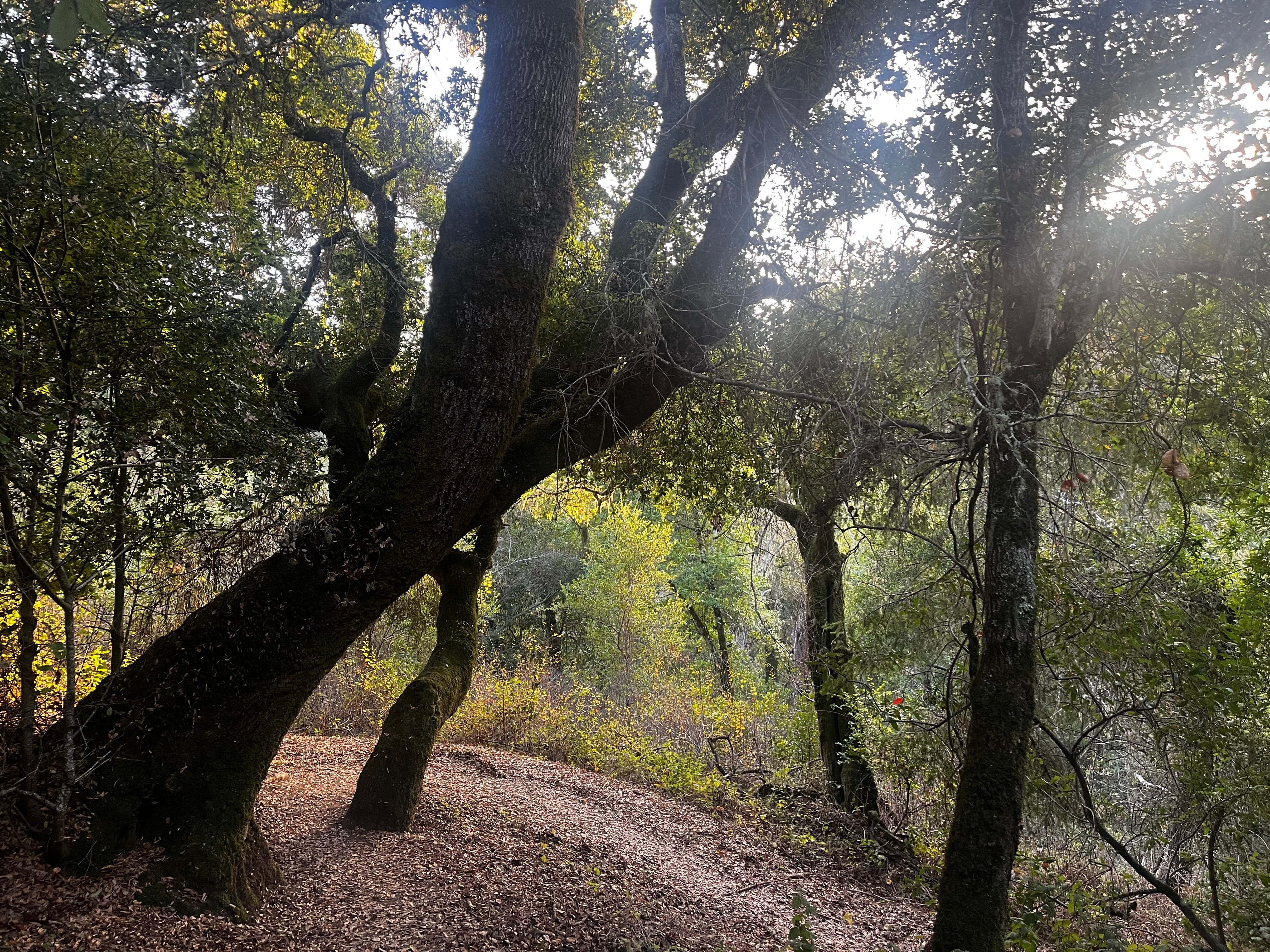
What remains if all else falls away? What are the very things that make life worth living for you? For me, it’s the freedom to sit in the morning and watch the birds at the feeder, walk under the oak and bay trees, and enjoy clean water and air. But if I get even more essential—outside of external conditions—it is feeling a sense of home and safety inside myself. What about you?
What are the narratives and storylines that stabilize your nervous system, provide a sense of ground, when so much is uncertain? I recall focusing on this a lot in our change management efforts. We put a lot of care into, well, naming care as a key theme and enduring quality. That no matter what, we’d prioritize care for self, others, community. A narrative I find myself reaching for, is that we as humans are learning, we are figuring things out. (You can see me say this on NBC News Now last year.) What is yours?
How can we attune to in ourselves, and others? For me, it’s reminding myself that my experience is valid, real, and honorable. It’s giving myself and others a lot of grace right now. It’s the courage to name, over and over again. As anyone leading change management knows: you name it, to tame it.
Trusting in our grief, and our joy. As Joanna Macy wisely and beautifully put it, our only recourse is to turn towards trusting our own experience. The more we refute binaries and black-white, the usual neurological defense against uncertainty, fear and grief, the stronger we are.
Finally: relationality is the ultimate stabilizer. We are being forced quickly to internalize, metabolize and engage with a thoroughly relational way of being. Relationality is a law. It’s non-reduceable. What does it mean to embody relationality in a world that’s spinning out into further fragementation?
I believe firmly the medicine of our times is fostering containers of health, repair and mirroring.
This is what I am dedicated to, and what I hope my practice, books, writings, talks and engagements can enable.
How each of us can show up and evolve — as Guides, as existential change leaders, as friends and colleagues, as fellow travelers. What does it look like in your context? In your unique process of becoming a Guide?
I appreciate and bow to your “fierce solidarity and brave empathy"—in the words of Lorissa Rinehart, author of Winning the Earthquake: How Jeannette Rankin Defied All Odds to Become the First Woman in Congress.
Because I know, if you are reading this, following my work and subscribed to Becoming Guides, you are already doing existential change management, and you are showing up bravely and with fierceness.
Feel free to reach out and let me know what you’d like to see in the coming weeks, that would most support you.
With love and care,
Renée
Dear Renee,
I saw you in the doc narrated by Jeff Bridges Living in the futures past —just last night and here I am reading your latest sub stack in NYC with a vision that supports your work succinctly, “Changemaker’s on the cusp… “ as you’re coming through NYC…
I’d be forever grateful if I can share what I’m talking about to consider alignment, I just might embody a missing archetype - I’m all in the fight to be the change we collectively seek with WAYS to do so I think you just might LOVE, please let me know if open to consideration. I can email you exactly what I’m talking about with uncanny fits….
With relentless sincerity, peace, grease, rhythm and HOPE
Jay